
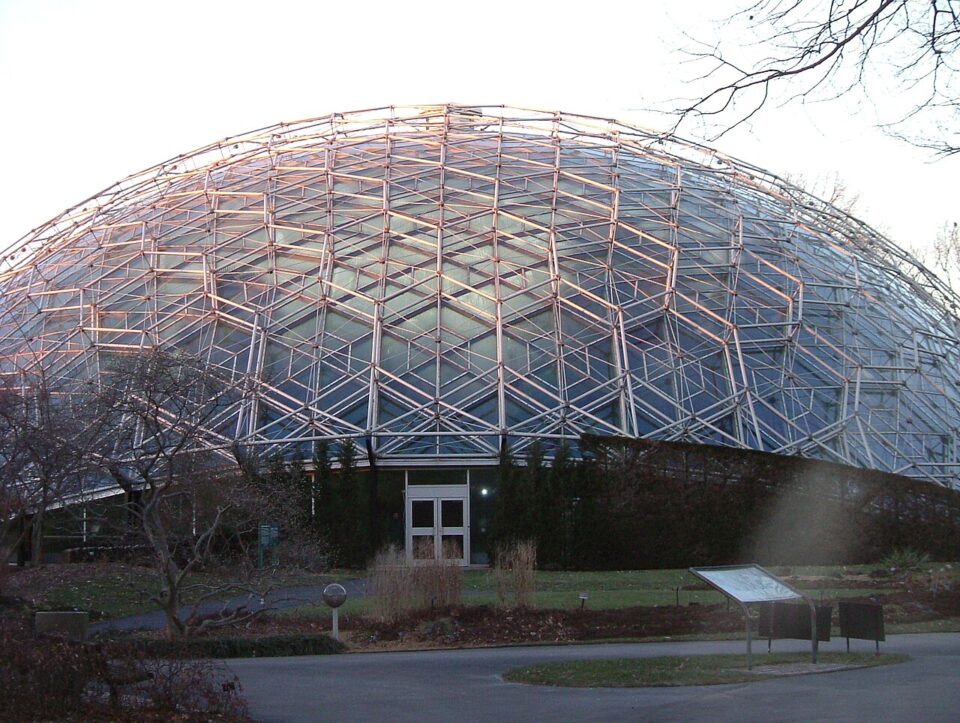
ST. LOUIS — Tucked inside the Missouri Botanical Garden is a quiet treasure with global reach: the largest seed bank in the United States. Its vaults safeguard more than 180,000 accessions representing nearly 6,500 plant species, a living insurance policy for the planet’s biodiversity — and it was recently spotlighted by National Geographic.
A seed bank is far more than a warehouse. Each accession is a distinct collection of seeds gathered from a specific place, carefully dried, sealed and stored at low temperatures so it can remain viable for decades. If a plant disappears from the wild because of habitat loss, disease or a changing climate, these stored seeds can help scientists bring it back.
The Garden’s location in St. Louis is no accident. Founded in 1859, the Missouri Botanical Garden is one of the world’s great centers for plant science, with researchers working in dozens of countries. Its seed bank supports that mission, preserving rare and endangered species from Missouri prairies to tropical forests around the globe, and sharing material with partner institutions for research and restoration.
For St. Louisans, it is one more reason to be proud of the green heart of their city. The same institution that delights visitors with orchid shows, Japanese gardens and summer lantern festivals is also doing painstaking, hopeful work behind the scenes — work that may one day help replant a forest, restore a prairie or save a species most people have never heard of.
Next time you stroll the Garden’s paths, remember: some of its most important plants are the ones you cannot see, sleeping safely in the dark, waiting for their moment to grow.
Photo: Missouri Botanical Garden